


Blog
What Are the Causes of Clogged Drains: Common Problems
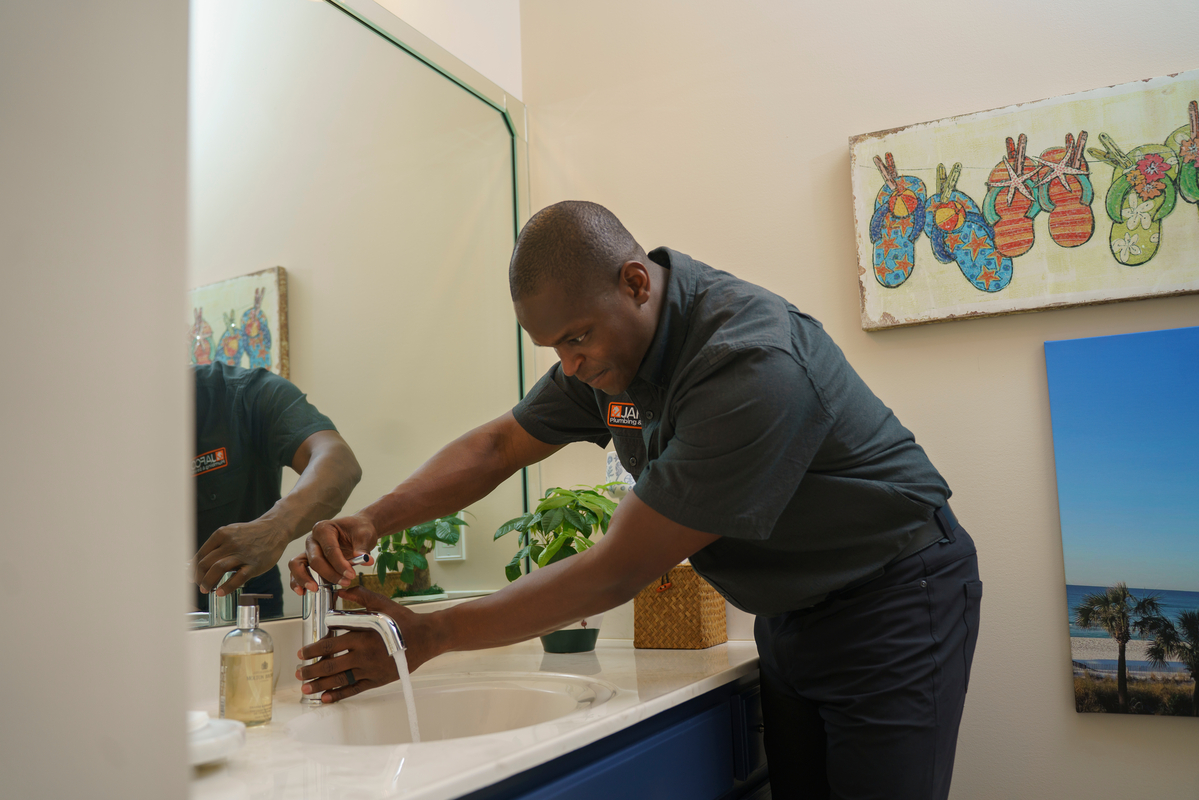
The most common causes of clogged drains include grease, hair, soap scum, food waste, tree roots, mineral buildup, and damaged pipes.
A small blockage eventually becomes a large problem. As debris continues to collect, water drains more slowly and pressure builds inside the plumbing system.
Keeping your drains clear protects your plumbing, reduces the chance of backups, and keeps sinks, tubs, and showers working properly. Knowing what causes drain clogs makes it easier to avoid expensive plumbing problems.
Schedule Online (425) 200-5623Why Should I Care About Clogged Drains?
A clogged drain affects your entire plumbing system. Left untreated, blockages place extra stress on your plumbing and interrupt everyday routines.
Prevent Damage
Standing water and recurring backups increase the chance of water escaping where it should not. If you're wondering can a clogged drain cause a leak, the answer is yes. Pressure created by a blockage or water overflowing from fixtures damages surrounding materials and exposes weak plumbing connections.
Protect Your Plumbing System
Removing clogs before they grow larger keeps wastewater flowing through your plumbing system. Addressing problems early also reduces strain on aging pipes, which is especially important in many older Seattle homes.
Keep Your Home Running Smoothly
Slow drains make everyday tasks frustrating. Kitchens, bathrooms, laundry rooms, and utility sinks all depend on drains that move water away quickly and efficiently.
What Can Clog My Drains?
Understanding the causes of clogged drains starts with knowing what enters your plumbing system every day.
Hair
Hair binds with soap residue and forms dense clogs inside bathroom sink, shower, and bathtub drains.
Soap Scum Buildup
Soap leaves behind residue that sticks to pipe walls. Over time, the buildup narrows the opening and traps additional debris.
Grease, Fat, and Oils
Grease hardens after it cools inside drain pipes. Even liquid cooking oil coats the inside of pipes and catches food particles passing through the drain.
Food Waste and Foreign Objects
Coffee grounds, eggshells, pasta, rice, wipes, paper towels, and other non-flushable items block drains and sewer lines.
Mineral and Scale Buildup
Minerals naturally found in water collect inside plumbing over time, gradually reducing the diameter of the pipe.
Tree Roots
Tree roots search for moisture and enter small openings in underground sewer lines. Once inside, they continue growing and restrict wastewater flow.
Damaged Pipes or Incorrect Installation
Cracked, offset, or poorly sloped drain lines allow debris to collect instead of moving freely through the plumbing system.
Persistent blockages need a professional drain cleaning. In severe cases, hydro jet cleaning removes heavy buildup and restores proper flow inside the pipe.
What Are the Signs My Drains Are Getting Clogged?
Slow Drainage
Water draining slower than normal is one of the earliest signs of a developing clog.
Standing Water
Water that remains in sinks, tubs, or showers indicates the drain is becoming blocked.
Unpleasant Odors
Food waste, grease, and trapped organic material create unpleasant smells that rise through household drains.
Gurgling Noises
Air trapped behind a blockage creates bubbling or gurgling sounds after water goes down the drain.
Recurring Backups
A clog that continues returning after temporary clearing usually points to a larger problem deeper in the plumbing system.
Multiple Drains Clogging Simultaneously
When several fixtures begin draining slowly at the same time, the blockage is frequently located in the main drain or sewer line.
How Can I Prevent Clogs?
Simple habits reduce the chance of future drain problems.
- Dispose of cooking grease in the trash instead of the sink.
- Use drain screens to catch hair and food debris.
- Flush drains with hot water after heavy kitchen use.
- Avoid flushing wipes, paper towels, or hygiene products.
- Schedule routine drain inspections if your home has older plumbing or recurring drain problems.
- Address slow drains before they become complete blockages.
Contact Us
Stop dealing with slow drains and recurring backups. Jafco provides professional drain inspections and clearing services throughout Seattle. Contact us by phone or schedule online for your free in-home property assessment.
Schedule Online (425) 200-5623