

Blog
Strange Noises Coming from Your Plumbing System
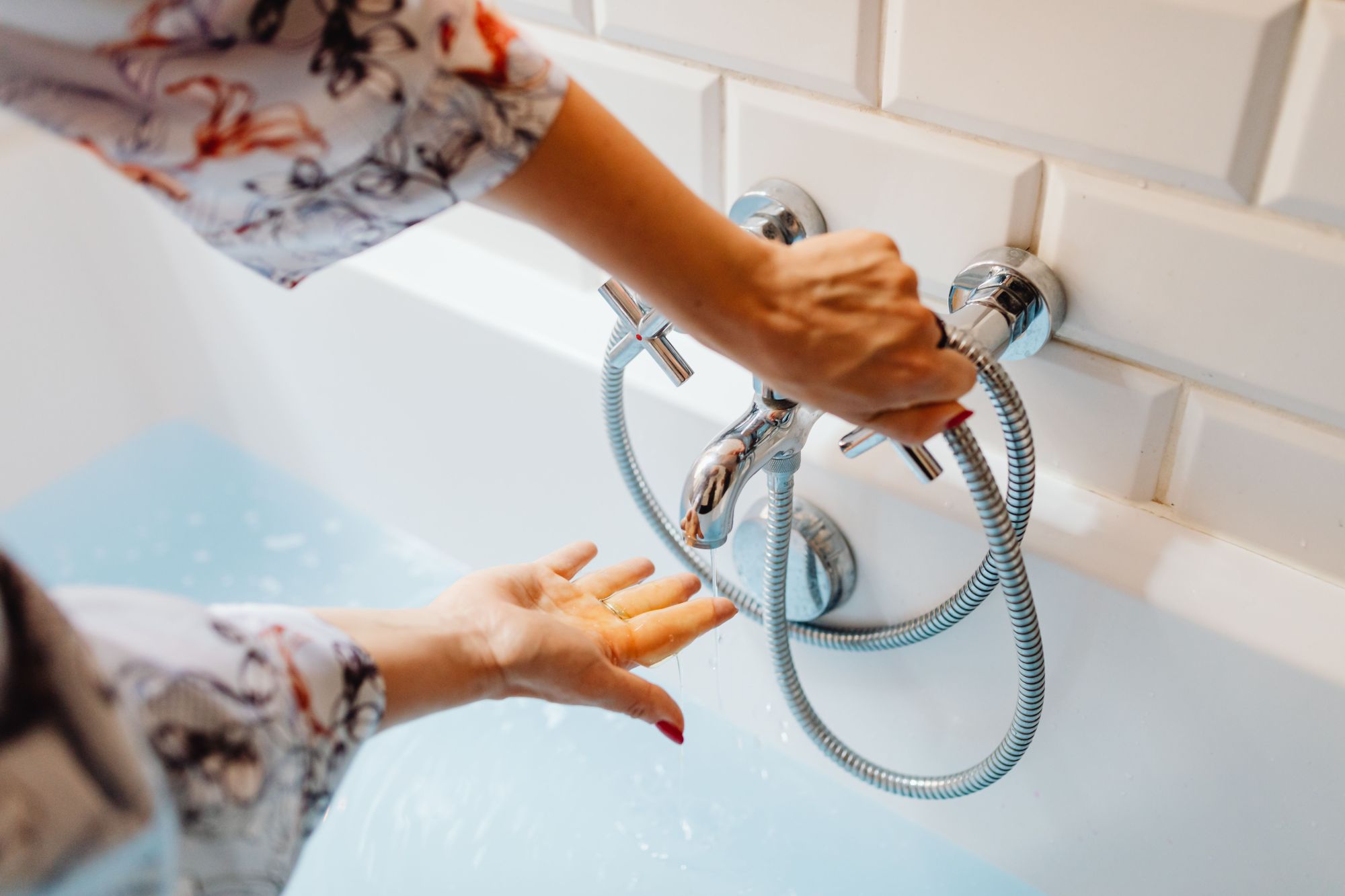
Strange plumbing noises can come from water pressure, loose pipes, restricted valves, clogged drains, or sewer problems. Paying attention to the type of sound and where it occurs can help narrow down the cause.
A plumber can inspect the affected pipes, fixtures, or drains when the cause is not clear.
Schedule Online (425) 200-5623Why Your Plumbing System Shouldn’t Be Making Noise
Some plumbing noises are expected. Water moving through pipes creates sound, and hot-water piping can click or tick as the material expands and contracts.
Repeated banging, whistling, rattling, or gurgling needs a closer look. Note which fixture is being used when the sound starts and if it stops when the water is turned off. This information can help locate the source.
What Strange Noises Shouldn’t Be Ignored
Banging/Hammering Pipes
Banging pipes after a faucet or appliance shuts off can be caused by a sudden change in water flow, commonly called water hammer. Loose pipes can create similar sounds when they move against framing or other surfaces. A plumber can check the water pressure and pipe supports to find the cause.
Whistling
Whistling pipes can result from high water pressure, a restricted valve, or water being forced through a narrow opening. If the sound occurs at one faucet or toilet, the problem can be limited to that fixture. Whistling heard in several areas can point to a pressure or piping problem.
Gurgling Drains
Gurgling drains can occur when water and air are having trouble moving through the drainage system. A clogged drain or venting problem can produce the sound. Gurgling from several fixtures, especially when a toilet flushes or another drain empties, can indicate a main drain or sewer restriction.
Rattling Sounds
Pipes can rattle when they are not secured tightly enough and move as water flows through them. The pipe may contact framing, brackets, or nearby surfaces. Checking pipe supports and accessible piping can locate areas that need to be secured.
Clicking or Ticking
Clicking and ticking can come from pipes expanding and contracting as their temperature changes. This is common around hot-water piping and does not always require repair. Persistent clicking from a valve or fixture should be inspected if it occurs during normal operation.
Vibrating Sounds
Vibration can come from high water pressure, loose piping, worn valves, or fixture components. Where the vibration occurs helps narrow the search. A sound limited to one toilet or faucet calls for a different inspection than vibration heard through several sections of piping.
Bubbling Toilets
A toilet that bubbles when another fixture drains can indicate restricted drainage. Air can move back through the toilet when wastewater cannot flow freely through the drain system. If bubbling affects multiple fixtures or occurs with slow drains, the main drain or sewer line should be checked.
How Professionals Diagnose Plumbing Noises
The sound, its location, and the fixtures affected determine what needs to be inspected. Jafco's plumbing services cover water pressure testing, visual pipe inspection, and checks of valves and pipe supports when the noise comes from the water-supply system.
Gurgling drains or bubbling toilets can call for a drain camera inspection to locate a blockage or damaged section of drain line. A sewer line inspection can be used when several fixtures show signs of a shared drainage problem.
When unusual sounds occur with damp areas, water stains, or visible leaking, water leak repair begins by locating the source of the leak.
When to Call a Plumber?
Schedule a plumbing inspection when:
- Banging, whistling, rattling, or gurgling becomes louder or more frequent.
- Several fixtures develop the same noise.
- Water pressure changes suddenly.
- Drains repeatedly clog or drain slowly.
- Plumbing noises occur with visible leaks, damp areas, or water stains.
- Toilets bubble along with sewage odors or drain backups.
Older Seattle homes can have plumbing materials and drain lines that have been in service for decades. If noisy pipes, recurring drain sounds, or sudden pressure changes continue, an inspection can identify the affected part of the system and the repair it needs.
Schedule Online (425) 200-5623