


Blog
Frozen Pipe Prevention Checklist

Seattle winters are unpredictable. One week feels mild and damp, and the next brings freezing nights that catch homeowners off guard. Frozen pipes don’t take long to form, and when they do, they can stop water flowing completely or even burst.
The goal of this guide is to make frozen pipe prevention simple, practical and easy to remember. A few small steps can save you from a major headache later.
What Causes Frozen Pipes
Frozen pipes happen when water inside the line drops low enough to solidify. Once that ice forms, pressure builds behind it. If the pressure gets high enough, the pipe can crack.
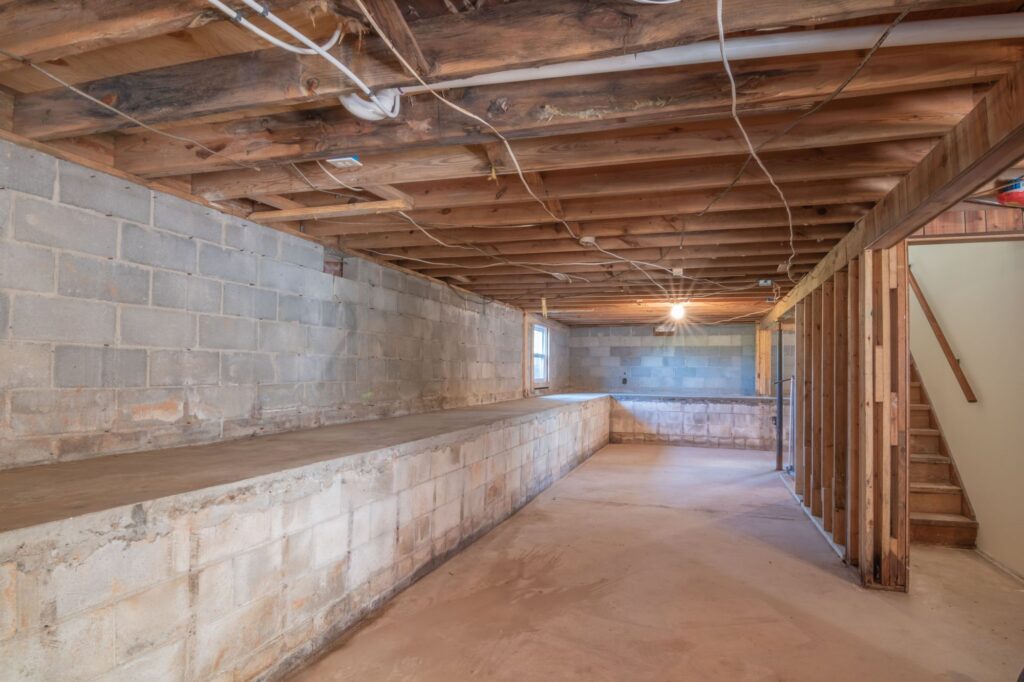
Most homes around Seattle, Shoreline and Ballard have a few areas that stay colder than the rest of the house, especially older basements, crawl spaces and exterior walls.
Common causes include:
- Sudden overnight temperature drops
- Plumbing routed through uninsulated or drafty spaces
- Little or no water running during freezing weather
- Outdoor plumbing left connected or uncovered
- Poor sealing around openings where cold air gets in
Even homes that stay warm overall can run into problems when a single cold spot goes unnoticed.
How to Identify Issues
Frozen pipes do not always show dramatic symptoms at first. Sometimes the signs are small and easy to miss.
Look for:
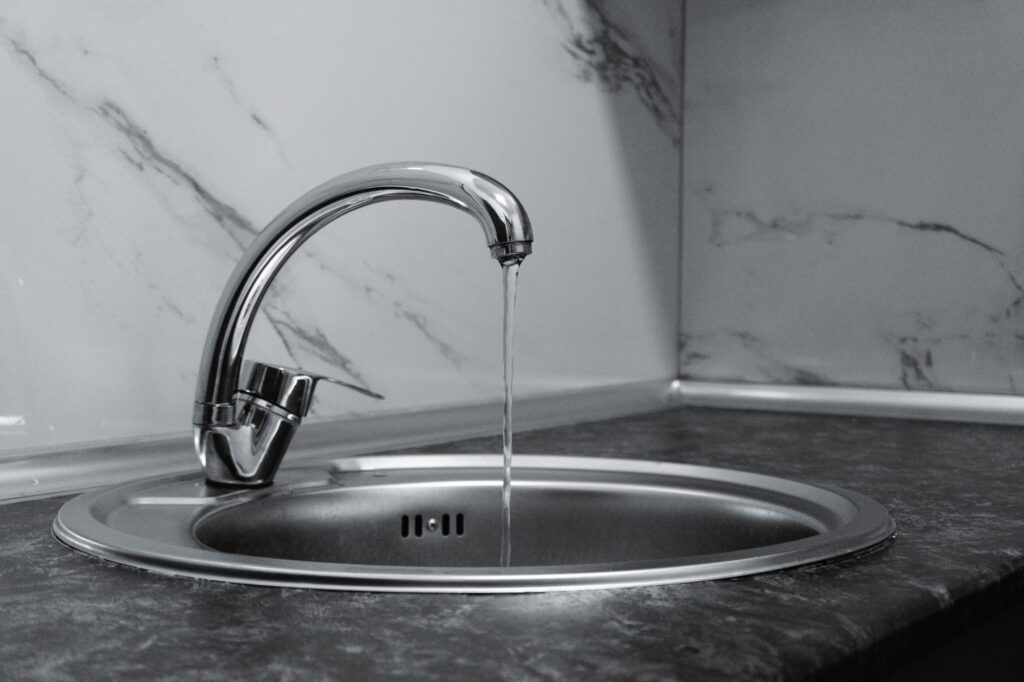
- Water that slows to a trickle from a faucet
- A toilet that refills much slower than normal
- Frost or icy texture on exposed pipes
- Odd smells coming from drains
- Unexpected drops in water pressure
- Popping or light cracking sounds behind walls
If one area of the home loses water flow but others seem fine, the freeze is probably in that zone. If several fixtures are affected, the frozen point may be farther back in the plumbing system.
How to Prevent Frozen Pipes
Here is a simple checklist that works well for Seattle and surrounding communities.
- Keep your thermostat steady throughout the day and night
- Open cabinet doors under sinks so warm household air can reach those pipes
- Add pipe insulation in crawl spaces, garages, basements or attics
- Seal gaps around windows, doors and the foundation
- Let faucets drip slightly during very cold nights
- Disconnect outdoor hoses and cover exterior spigots
- Close the garage when plumbing runs along the shared wall
- Take a quick walk around the home and check for cold spots
- Make sure everyone in your home knows the location of the main water shutoff
These small habits create warmer conditions around vulnerable pipes and help prevent freezing even when temperatures drop quickly.
What to Do if Your Pipes Are Frozen
If a pipe freezes, it can feel stressful, but there is a safe way to approach it.
- Turn on the faucet connected to the frozen line to relieve pressure
- Warm the pipe gently with a hair dryer or small space heater
- Start warming the area closest to the faucet and work backward
- Avoid using any kind of open flame
- Check nearby pipes because more than one can freeze at a time
- If you hear cracking or see water, turn off the main water valve immediately
If you cannot find the frozen section or the pipe refuses to thaw, calling for help is the best next step. Jafco Company’s emergency services team can assess the situation safely. If a pipe has cracked or burst, our frozen pipe repair team can guide you through repairs and help prevent future issues.
Frozen pipes happen in homes of all ages, especially during cold snaps. Taking action early reduces damage and protects your home from bigger repairs later.
Contact Us for Service
If you want help preventing frozen pipes or you discover a section of plumbing has already frozen, reach out anytime. Our team is here to make sure your home stays protected and your plumbing stays in good shape throughout the winter.