


Blog
Signs Your Drain Problem Is Actually a Sewer Line Issue
A clogged sink or slow shower drain does not always mean the blockage is located near that fixture. In some cases, drainage problems in multiple areas of the home can be traced back to the main sewer line.
Understanding the difference between a simple drain clog and larger sewer line issues can help homeowners recognize warning signs early and avoid extensive plumbing damage.
Schedule Online (425) 200-5623Understanding the Difference Between Drain Clogs and Sewer Line Issues
Not every clog points to a sewer problem. Many drainage issues occur inside individual fixture drains and can often be traced to buildup near the affected plumbing fixture.
Main Drain Clogs
A standard drain clog typically affects only one fixture, such as:
- A kitchen sink
- A bathroom sink
- A shower or tub
- A single toilet
These clogs often develop from hair, soap residue, grease, food debris, or foreign objects. The problem is limited to the affected drain rather than the entire plumbing system.
Main Sewer Line Issues
A sewer line issue affects the primary pipe responsible for carrying wastewater away from the home. When that pipe becomes blocked, damaged, or restricted, several plumbing fixtures may begin experiencing problems at the same time.
This is one of the clearest differences between isolated drain clogs and sewer line issues.
What Are Common Signs of Sewer Line Problems?
The warning signs below frequently appear when the main sewer line is no longer moving wastewater properly.
Multiple Drains Clogged
If the kitchen sink, bathroom sink, shower, and toilet all begin draining slowly within a short period of time, the problem is occurring deeper within the plumbing system.
A single clogged fixture points to a localized blockage. Multiple affected fixtures often indicate a sewer line issue.
Sewage Backing Up Into Drains
Wastewater should always move away from the home. When sewage begins backing up through floor drains, tubs, showers, or lower-level fixtures, the sewer line may be blocked.
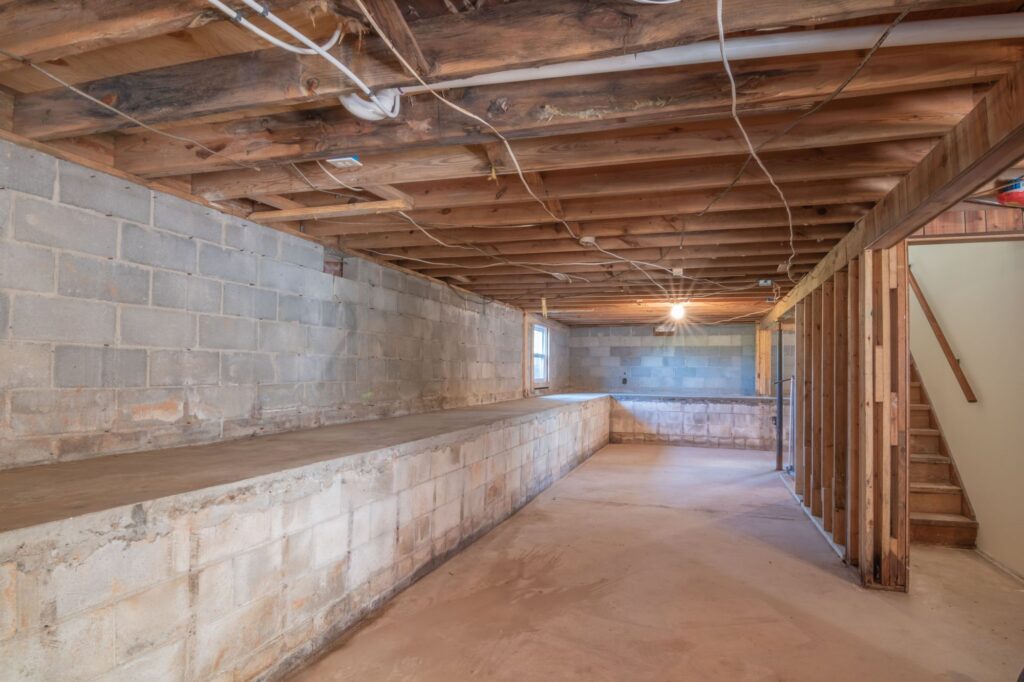
Backups frequently occur in basements, lower bathrooms, and floor drains because these fixtures are often the lowest points in the plumbing system.
Bad Smells
Persistent sewer odors inside or outside the home can indicate wastewater is not moving properly through the system.
These odors may appear near drains, crawl spaces, cleanouts, or areas of the yard where the sewer line runs underground.
Gurgling Sounds
Air becomes trapped when wastewater encounters a restriction. As water moves through the system, that trapped air may create bubbling or gurgling sounds in sinks, tubs, showers, and toilets.
Water Backups
Water backing up into sinks, tubs, showers, or floor drains is one of the most obvious signs of a sewer problem.
If flushing a toilet causes water to appear in a nearby shower or tub, the wastewater is struggling to pass through the main sewer line.
Sinkholes or Wet Areas in the Yard
Underground sewer line damage can allow wastewater to escape into the surrounding soil.
Warning signs include:
- Soggy areas in the yard
- Unusually green patches of grass
- Depressions in the soil
- Small sinkholes forming above the sewer line
These symptoms are particularly important to investigate in older Seattle neighborhoods where aging sewer infrastructure is common.
What Are Common Causes of Sewer Problems?
Several conditions contribute to common sewer line issues throughout Seattle.
Tree Root Intrusion
Mature trees found throughout neighborhoods such as Ballard, Green Lake, Wallingford, and Magnolia frequently send roots toward sewer pipes. Once roots enter through cracks or joints, they continue growing and collect debris.
Grease and Fat Buildup
Cooking grease hardens inside sewer lines and traps food particles, paper products, and other debris.
Old Pipes
Many Seattle homes still contain aging clay, cast-iron, or deteriorating sewer pipes that are vulnerable to cracking, corrosion, separation, and collapse.
Ground Movement
Heavy rainfall, saturated soil, and natural settling can cause sections of sewer pipe to shift or become misaligned.
How Are Sewer Problems Found?
Accurately diagnosing a sewer issue requires seeing what is happening inside the pipe.
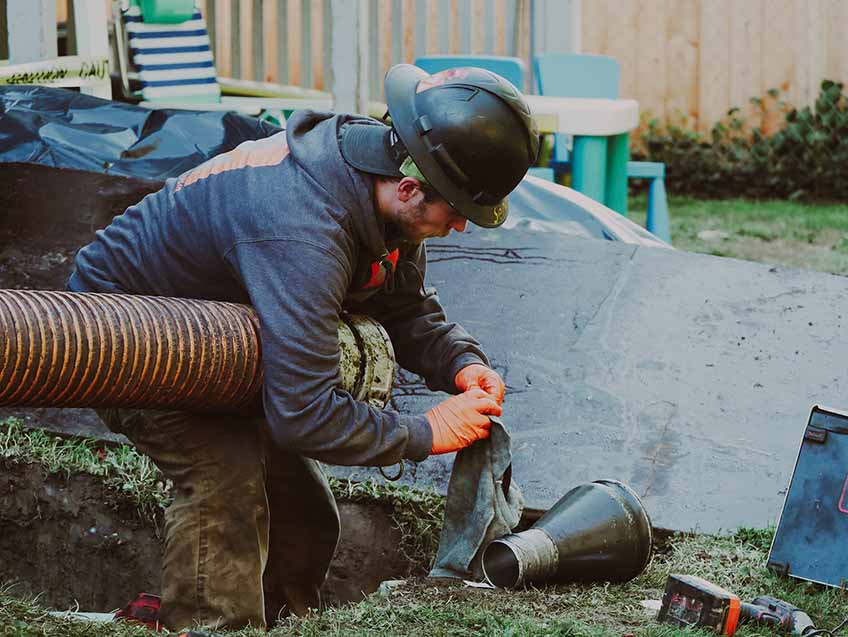
A sewer camera inspection allows plumbers to locate blockages, root intrusion, damaged pipes, separated joints, and other hidden problems without excavation.
Depending on the findings, solutions may involve sewer line cleaning, root removal, spot repairs, or sewer line replacement.
When Should I Call a Plumber?
Professional evaluation is recommended when any of the following occur:
- Frequent clogs
- Slow drains in multiple fixtures
- Water backups
- Recurring sewer odors
- Gurgling drains or toilets
- Wet areas developing in the yard
Waiting for symptoms to worsen can make repairs more complicated and increase the likelihood of property damage.
Get Answers Before Sewer Problems Get Worse
Recurring backups, slow drains in multiple fixtures, and sewer odors are signs that the problem extends beyond a single drain. JAFCO uses advanced diagnostic equipment to identify the source of sewer problems and recommend the appropriate solution. If you are noticing signs of a sewer line issue anywhere in the Seattle area, schedule online today.
Schedule Online (425) 200-5623