


Blog
How to Choose the Right Water Heater for Your Home
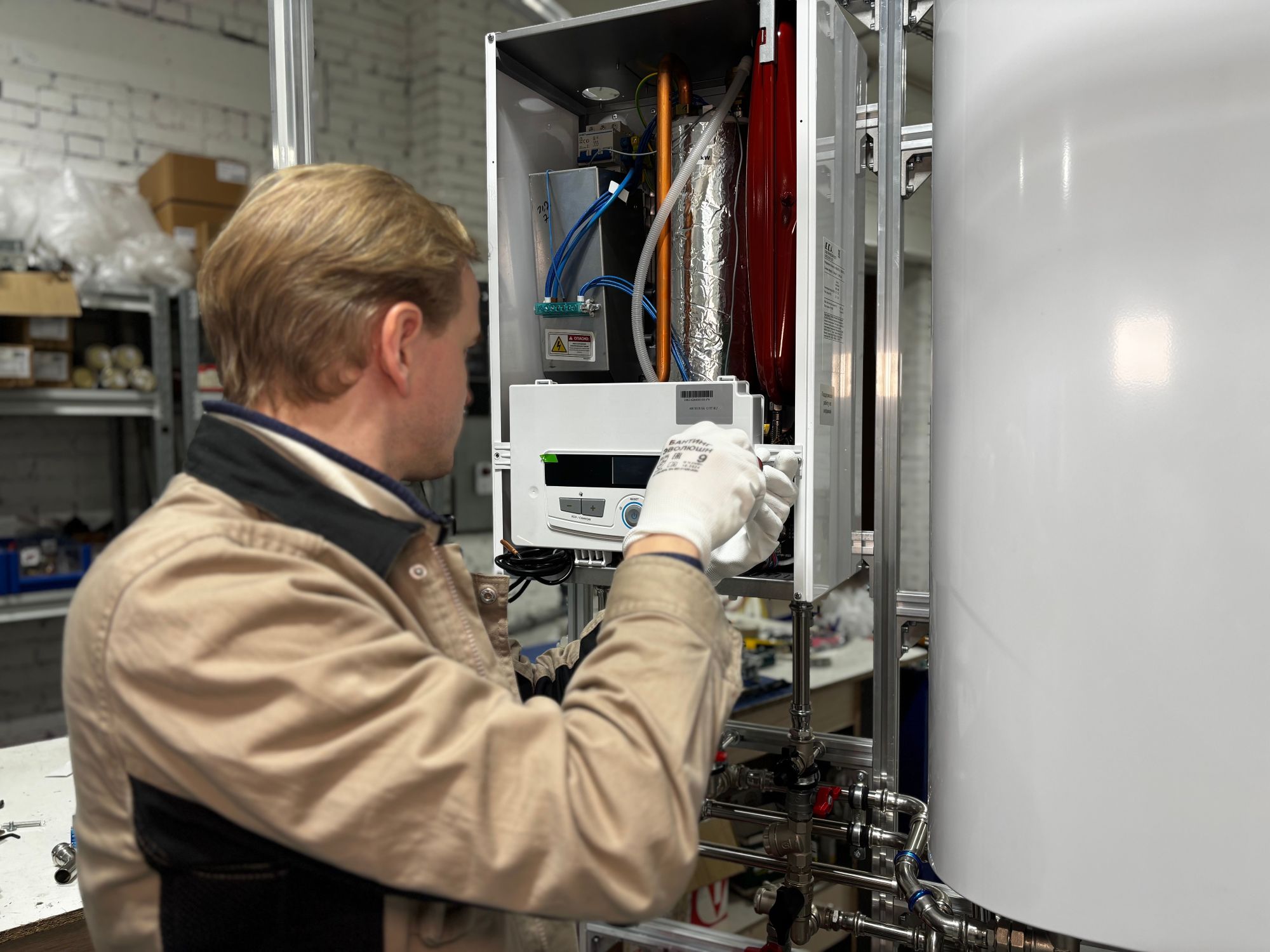
A new water heater needs to supply enough hot water for showers, laundry, dishes, and other daily needs without driving up energy costs. Choosing the right water heater starts with your household's hot water use, the type of system you want, and the space and utilities available for installation.
Replacing an existing unit does not mean you have to install the same type or size. A plumber can help compare your options before installation.
Schedule Online (425) 200-5623Why Choosing the Right Water Heater Matters
Running out of hot water is an obvious sign that a water heater is not keeping up. An oversized system has drawbacks too, including paying to heat water your household does not need.
Equipment type and energy source affect operating costs and maintenance needs. Installation conditions matter as well. Gas venting, electrical capacity, available space, and existing plumbing can narrow your options before a new unit is selected.
Water heater types differ in expected service life and maintenance needs. Comparing those differences with your household's hot water use helps narrow the choices.
Choosing the Right Water Heater Checklist
Use the following checklist to narrow your choices before scheduling water heater installation.
Determine Household Needs
Start with how much hot water your household uses and when you use it. A family taking several showers while running the dishwasher has different needs from a household where hot water use is spread throughout the day.
Think about the number of people in the home, bathrooms, showers, tubs, and appliances that use hot water. Pay attention to times when several fixtures are used at once.
Select a Type of Water Heater
Traditional tank water heaters store a set amount of heated water. They are familiar to many homeowners and work well when the tank capacity matches household demand.
Tankless water heaters heat water as it moves through the unit instead of storing it. If you are researching how to choose the right tankless water heater, look at the amount of hot water needed at one time and the temperature rise the unit must produce.
Hybrid water heaters use heat-pump technology along with a storage tank. They need enough installation space and have different electrical and location requirements from standard tank models.
Gas and electric models have their own installation needs. Your home's existing gas service, electrical capacity, venting, and available space help determine which choices make sense.
Determining the Right Size
Learning how to choose the right size water heater depends on the type of equipment.
For a tank water heater, consider the tank capacity and first-hour rating. The first-hour rating shows how much hot water the unit can supply during a period of high demand.
Tankless units are sized by flow rate and temperature rise. This accounts for how much hot water is needed when showers, faucets, and appliances run at the same time. Seattle's colder incoming water during winter increases the temperature rise the unit needs to produce.
Consider Energy Efficiency
Compare the energy ratings of the models you are considering along with the fuel or energy source they use. A unit's purchase price is only one part of its cost. Energy use continues throughout its service life.
Household habits affect energy costs too. A system that matches your actual hot water demand avoids choosing equipment based only on tank capacity or advertised features.
Installation Requirements
Before selecting a model, check what the installation will require. A new gas water heater can need specific venting and gas connections. An electric or hybrid model can require electrical upgrades. Tankless equipment can require changes to gas, electrical, venting, or water lines.
Existing plumbing conditions can affect the work as well. If corroded pipes, damaged valves, or leaking connections are found during the project, Jafco's plumbing services cover those repairs.
Maintenance Needs
Every water heater needs some maintenance. Tank systems benefit from periodic flushing to remove sediment. Tankless systems need descaling when mineral buildup develops inside the unit.
Check the manufacturer's maintenance requirements before buying. Knowing what the system needs makes it easier to plan for upkeep after installation.
What Are the Benefits of Professional Hot Water Heater Installation?
Water heater installation involves water connections, energy sources, venting, safety requirements, and local plumbing codes. Professional installation helps make sure each part of the system is set up correctly.
A plumber can:
- Confirm proper sizing based on household hot water demand.
- Install gas, electrical, venting, and plumbing connections safely.
- Complete the work according to applicable plumbing and installation codes.
- Follow manufacturer installation requirements tied to warranty coverage.
- Test the completed system for correct operation.
- Set up the equipment for optimal performance and efficiency.
Professional installation is especially useful when switching water heater types because the new equipment can require different connections or changes to the installation area.
When you are choosing the right water heater for your Seattle home, Jafco can help you compare tank, tankless, hybrid, gas, and electric options based on your household and existing plumbing.
Schedule Online (425) 200-5623