


Blog
The Dangers of Pouring Grease Down Your Drain
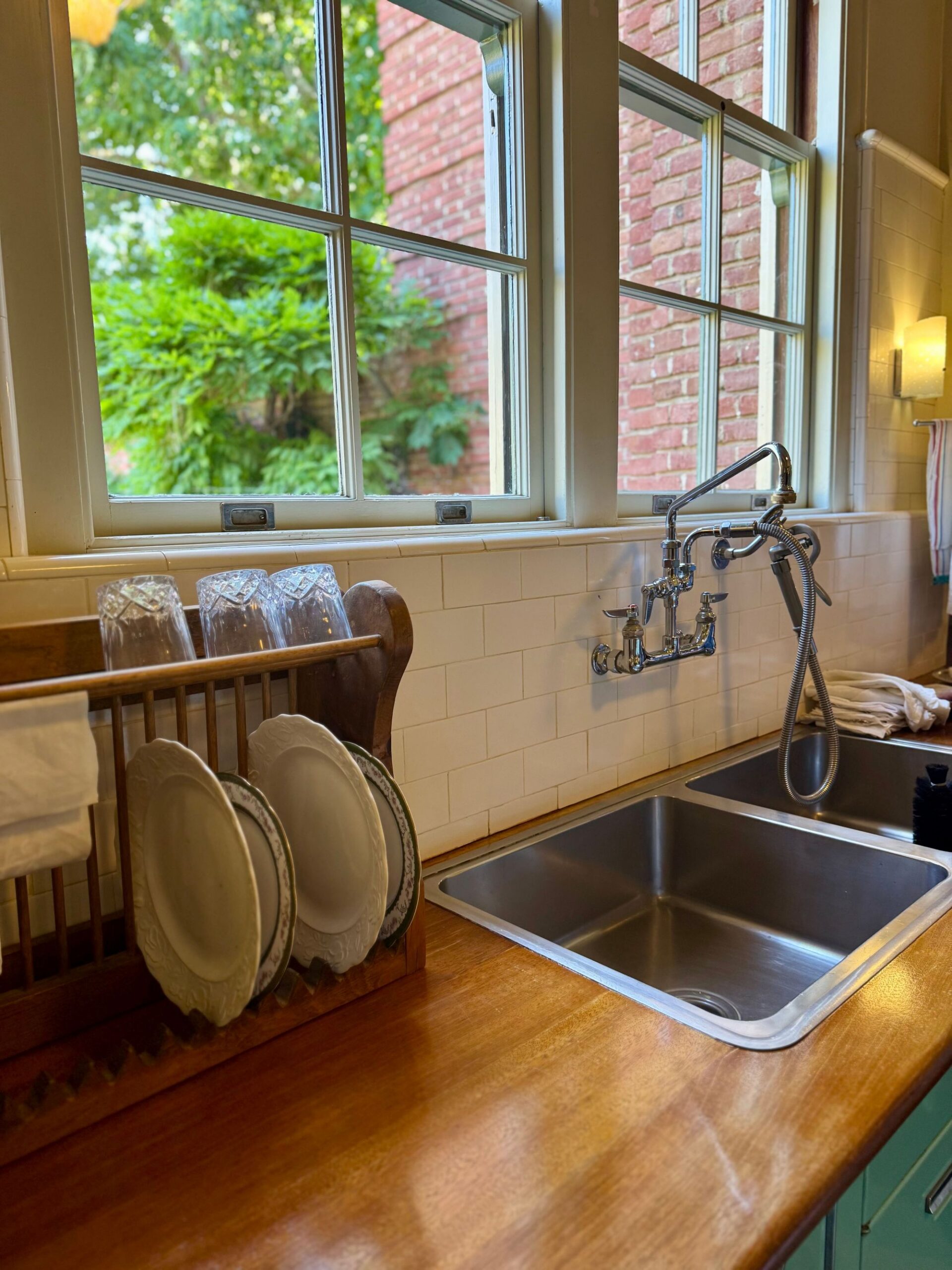
Pouring grease down the kitchen sink seems harmless when it is hot and liquid. The problem starts as it travels through the plumbing. Grease cools, thickens, and sticks to the inside of the drainpipe. Food particles and other debris then collect on that coating, gradually narrowing the path for wastewater.
A grease clog in drain lines often starts as slow drainage. As grease and debris continue to collect inside the pipe, the opening narrows and can eventually become completely blocked. Buildup farther down the drainage system can lead to recurring clogs or wastewater backups.
The safest habit is simple: keep cooking fats, oils, and grease out of the sink.
Dealing With a Slow or Clogged Kitchen Drain?
Jafco can find the source of the blockage and clear the affected line.
Schedule Online (425) 200-5623What Happens When Grease Goes Down the Drain?
Hot grease does not stay liquid after you pour it into the sink. As it cools inside the plumbing, it begins coating the walls of the pipe. Repeated disposal adds new layers to the existing buildup.
Grease is sticky, so other material traveling through the drain can become trapped in it. Food scraps, soap residue, and debris add bulk to the obstruction. The opening inside the pipe gets smaller, leaving less room for wastewater to pass.
Running hot water after pouring grease in the drain does not solve the problem. The water can carry grease farther into the plumbing, but the grease will cool again. Dish soap does not make pouring cooking grease into the sink a safe disposal method either.
Why Grease Causes Serious Plumbing Problems
A grease blockage does not always happen after one meal. Buildup can develop gradually until the kitchen sink starts draining slowly or stops draining altogether.
When grease and debris buildup farther down the drainage system, wastewater can have trouble moving away from the home. This can lead to recurring clogs or water backing up through nearby fixtures. Grease and debris collecting in a larger drain or sewer line can create a much harder blockage to remove than residue near the sink.
For substantial buildup inside a line, hydro jet cleaning can be used to break apart and flush away accumulated material when the condition of the piping allows it.
Older homes in Seattle can already have drain and sewer lines affected by age, corrosion, roots, or previous buildup. Adding grease to those lines gives wastewater another obstruction to move around.
What Are Signs That Grease May Be Building in Your Pipes?
Grease buildup tends to give warning signs as the opening inside the pipe narrows. Watch for:
- A kitchen sink that drains increasingly slowly
- Water backing up into the sink
- Gurgling sounds after water goes down the drain
- Unpleasant odors coming from the drain
- A clogged kitchen drain that returns after plunging
- Water backing up through another fixture
- Several drains slowing at the same time
One slow kitchen sink can point to a blockage close to that fixture. When several drains are affected, the obstruction can be farther down the drainage system.
Recurring problems are a reason to have the line inspected rather than repeatedly plunging the same drain. Professional drain cleaning can clear the obstruction and determine if buildup extends deeper into the system.
How Can I Avoid Grease Buildup in Drains?
Keeping grease out of your plumbing is easier than dealing with a hardened blockage. After cooking, let grease cool and collect it in a container that can be thrown away. Do the same with cooking oils instead of pouring them into the sink.
Before washing greasy cookware:
- Scrape food scraps into the trash.
- Pour excess cooking grease into a disposable container.
- Wipe oily pans and dishes with a paper towel before washing them.
- Use a sink strainer to catch food particles.
- Never rely on hot water to wash grease through the plumbing.
These habits will reduce grease in drainpipe buildup, which can trap food debris and eventually block the drain.
If your kitchen sink is already draining slowly, repeatedly backing up, or developing the same clog after you clear it, the problem can be deeper in the line. Jafco serves Seattle homeowners with plumbing and sewer work for clogged and slow drains.
Need Help With a Grease-Clogged Drain?
Schedule Online (425) 200-5623